For laboratory research use only — not for human consumption
For laboratory research use only — not for human consumption
Knowledge base
Clear, research-focused explainers — how peptides are positioned in Australia, how to evaluate a supplier, how to read a Certificate of Analysis, and overviews of the compounds we supply. Information for researchers, not medical advice.
What retatrutide is, why it is of growing interest in laboratory research, and what Australian researchers should look for when sourcing it.
Read the overview →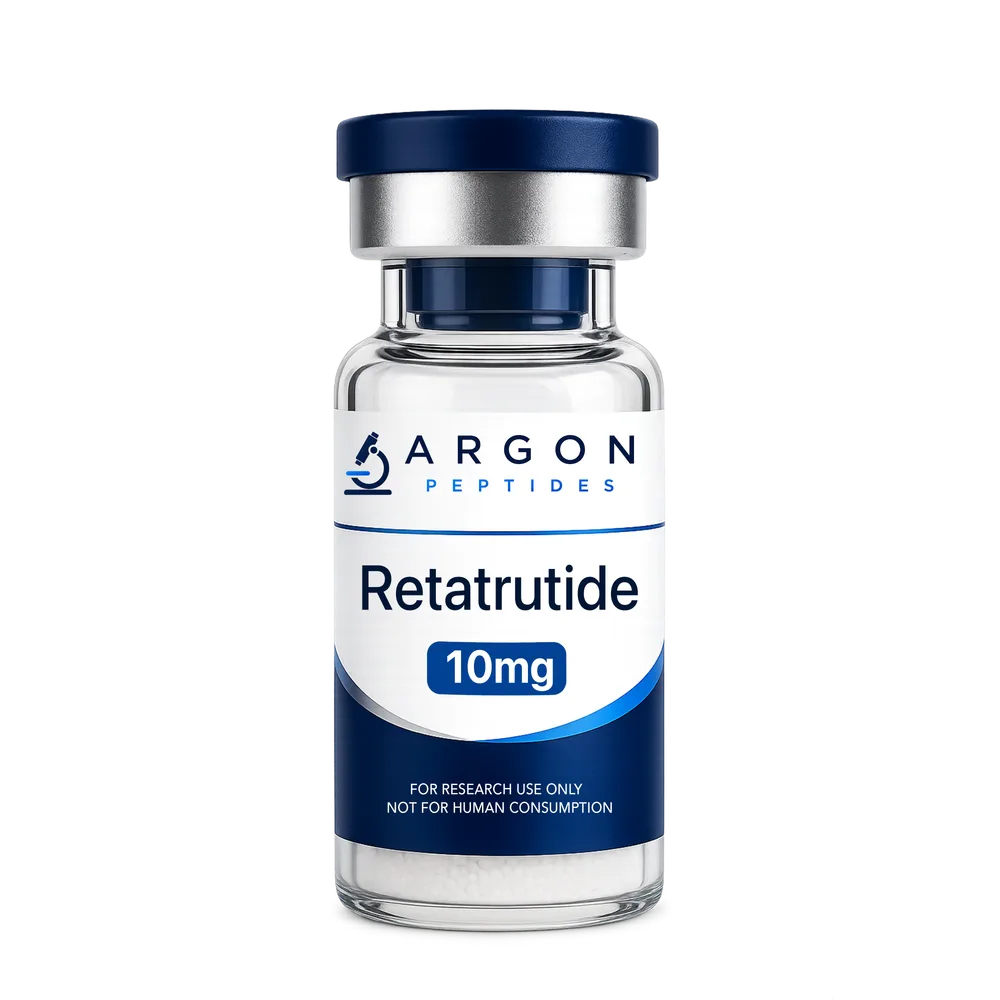
A plain-English explainer on how research peptides are positioned in Australia and what "research use only" actually means.
Read →Where BPC-157 sits as a research compound in Australia and what research-use-only supply involves.
Read →The checklist serious researchers use to separate a credible research supplier from a storefront — COA transparency above all.
Read →A short guide to what a Certificate of Analysis actually tells you — and what to check before you trust a vial.
Read →What TB-500 is, why it is studied in laboratory research, and what to look for when sourcing it in Australia.
Read →What GHK-Cu (the copper tripeptide) is, why it is studied, and what to look for when sourcing it in Australia.
Read →What BPC-157 is, why it is studied in laboratory research, and what to look for when sourcing it in Australia.
Read →A clear laboratory guide to reconstituting lyophilised research peptides — what you need, the steps, and storage.
Read →A practical guide to deciding where to buy research peptides in Australia — what separates a verifiable research supplier from a storefront.
Read →Where retatrutide sits as a research compound in Australia and what research-use-only supply involves.
Read →How prescription therapeutic goods differ from research-use-only compounds in Australia — explained neutrally for researchers.
Read →How to store and handle research peptides in the laboratory — lyophilised versus reconstituted, cold chain, and shelf considerations.
Read →How BPC-157 and TB-500 differ as research compounds — by structure, molecular targets, and how each is investigated in the laboratory.
Read →What bacteriostatic water is, how it differs from sterile water, and why it is the standard solvent for reconstituting lyophilised research peptides.
Read →How HPLC and LC-MS testing work, what a purity percentage really tells you, and why independent testing underpins research reproducibility.
Read →What Melanotan 2 is, why its melanocortin-receptor pharmacology is studied in laboratory research, and what to look for when sourcing it in Australia.
Read →What MOTS-c is, why this mitochondrial-derived peptide is studied in laboratory research, and what to look for when sourcing it in Australia.
Read →How retatrutide and semaglutide differ as research compounds — receptor targets, structure, and laboratory characterisation.
Read →How GHK-Cu and BPC-157 differ as research compounds — by structure, the pathways they are studied against, and lab handling.
Read →What research peptides are, how they are supplied and tested, and what to look for when sourcing them in Australia.
Read →How TB-500 sits under Australian regulation as a research compound, and what research-use-only supply means in practice.
Read →How GHK-Cu sits under Australian regulation as a research compound, and what research-use-only supply means.
Read →How Melanotan 2 sits under Australian regulation as a research compound, and what research-use-only supply means.
Read →How the mitochondrial-derived peptide MOTS-c sits under Australian regulation as a research compound.
Read →What to look for when sourcing research peptides in Sydney, and how COA-backed supply ships to NSW.
Read →What to look for when sourcing research peptides in Melbourne, and how COA-backed supply ships to VIC.
Read →What to look for when sourcing research peptides in Brisbane, and how COA-backed supply ships to QLD.
Read →What tirzepatide is, why it is studied as a dual-agonist research peptide, and what Australian researchers should look for when sourcing it.
Read →What semaglutide is, why it is studied as a single-agonist research peptide, and what Australian researchers should check when sourcing it.
Read →What PT-141 is, the melanocortin receptor research it appears in, and what Australian researchers should check when sourcing it.
Read →What AOD-9604 is, the fragment peptide research it appears in, and what Australian researchers should check when sourcing it.
Read →What tesamorelin is, the growth-hormone-releasing pathway research it appears in, and what Australian researchers should check when sourcing it.
Read →